
Polski
- English
- Español
- Português
- русский
- Français
- 日本語
- Deutsch
- tiếng Việt
- Italiano
- Nederlands
- ภาษาไทย
- Polski
- 한국어
- Svenska
- magyar
- Malay
- বাংলা ভাষার
- Dansk
- Suomi
- हिन्दी
- Pilipino
- Türkçe
- Gaeilge
- العربية
- Indonesia
- Norsk
- تمل
- český
- ελληνικά
- український
- Javanese
- فارسی
- தமிழ்
- తెలుగు
- नेपाली
- Burmese
- български
- ລາວ
- Latine
- Қазақша
- Euskal
- Azərbaycan
- Slovenský jazyk
- Македонски
- Lietuvos
- Eesti Keel
- Română
- Slovenski
- मराठी
- Srpski језик

Wiadomości branżowe
Chętnie podzielimy się z Tobą istotnymi wiadomościami branżowymi, a także niektórymi wydarzeniami w branży, wiedzą branżową i nie tylko.
 10 2026-07
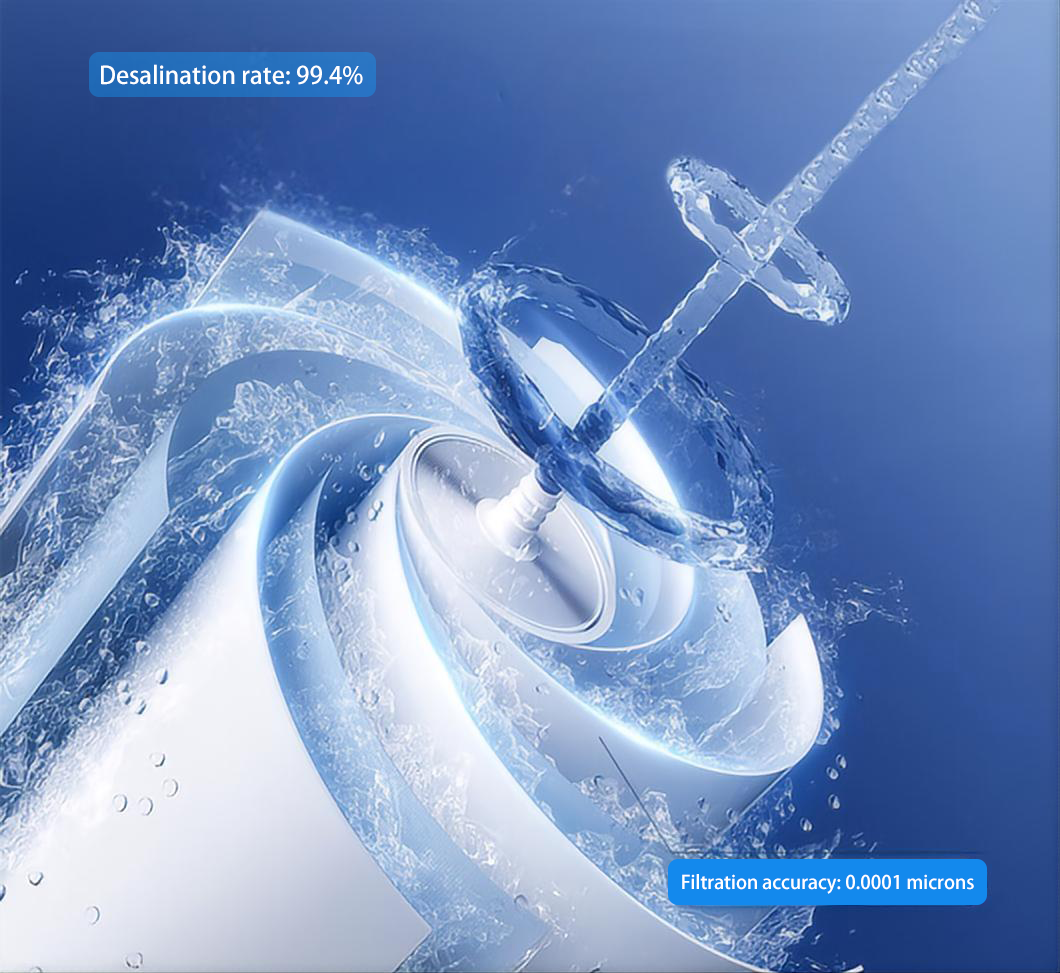
 Szybkość odsalania membrany RO: kompletny przewodnik po obliczeniach, standardach i rozwiązywaniu problemów
The RO membrane desalination rate is the most critical indicator of reverse osmosis system performance. It measures the membrane‘s ability to remove dissolved salts, heavy metals, and ionic impurities – expressed as a percentage. Understanding what affects this rate and how to maintain it is essential for any commercial or industrial water treatment project.
In this guide, I will walk you through the calculation formulas, industry standards, 10 key influencing factors, troubleshooting methods, and daily maintenance tips to keep your RO system running at peak desalination performance.
 08 2026-07
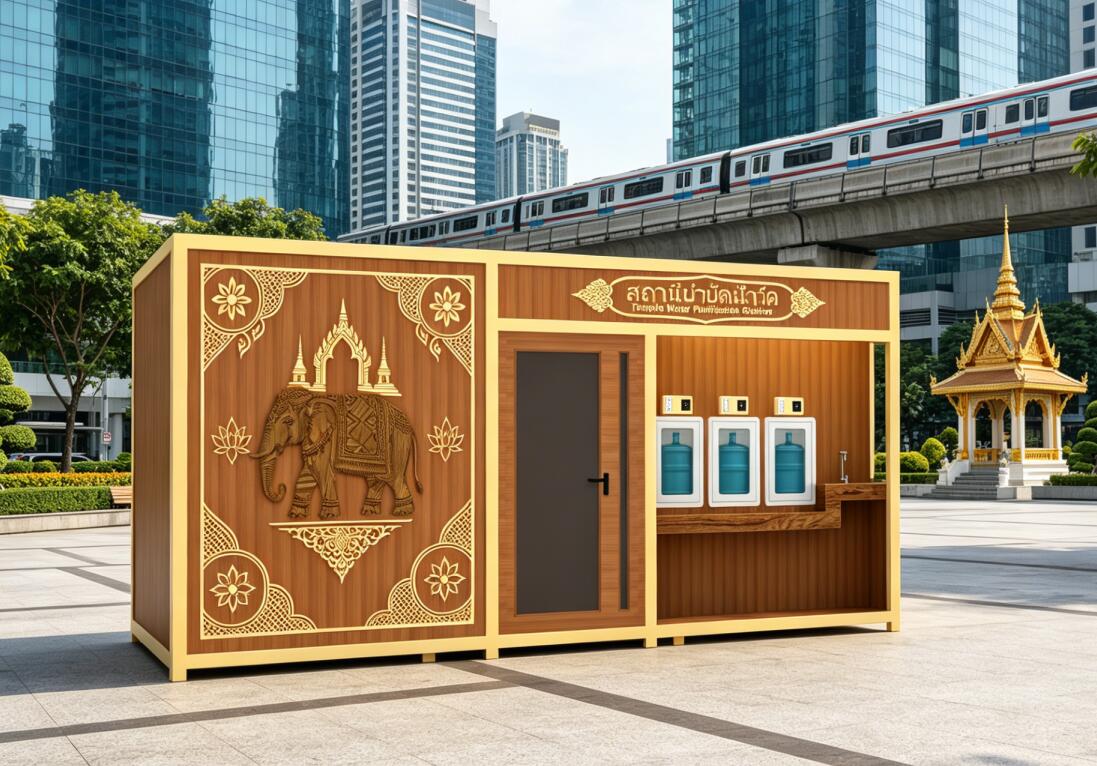
 Stacja wodna w tajskiej świątyni – ręcznie rzeźbiony projekt słonia i pagody?
Thailand‘s thousands of Buddhist temples welcome millions of pilgrims and tourists every year. But most temples rely on temporary or outdated water supply – unsafe, unreliable, and visually out of place. Ordinary plain water cabinets clash with the sacred beauty of ancient Thai architecture, breaking the harmony of pagodas, lotus murals, and classical temple grounds.
That is why we designed the Thai temple cultural water purification station – a custom modular water kiosk that combines authentic hand‑carved Thai art with a complete industrial‑grade RO water treatment system. It provides safe drinking water while becoming a photogenic landmark that respects and enhances the temple‘s cultural heritage.
 07 2026-07
 Tania maszyna UF UV o zerowej emisji ścieków do projektów odwiertów w Afryce?
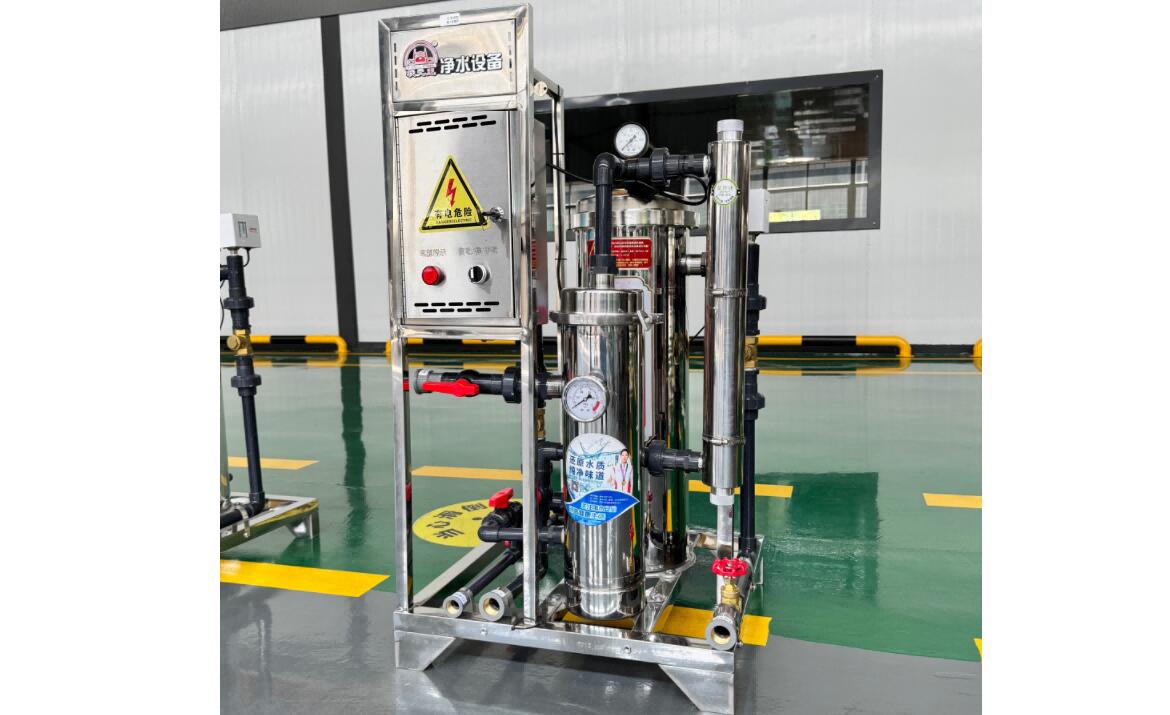
Water scarcity, unstable borehole pressure, and unsafe raw water quality plague African villages, farms, and remote communities. Traditional RO systems waste precious groundwater and carry high operating costs. Our low cost zero wastewater UF UV machine is engineered for smallscale borehole projects, combining constant pressure storage, ultrafiltration purification, and UV disinfection in one compact, budgetfriendly unit.
 06 2026-07
 Rozwiązanie dla wody gruntowej w willi afrykańskiej – zmiękczacz + system UF + UV?
If you own a villa in Africa, you know the reality: groundwater is your only reliable source – but it comes with serious problems. High hardness destroys water heaters and clogs pipes. Sediment makes water cloudy. Bacteria threaten your family‘s health. And in water‑scarce regions, wasting water is not an option.
A single filter cannot solve all these issues. That is why I recommend the softener + UF + UV integrated system – a three‑stage whole‑house solution designed specifically for African villa groundwater.

 03 2026-07
 Czy technologia bezodpadowego oczyszczania wody jest niezawodna? To urządzenie do ultrafiltracji i sterylizacji UV otwiera nową ścieżkę dla zdrowej wody pitnej
Wraz z szybkim rozwojem branży uzdatniania wody do użytku domowego, głównymi trendami rozwojowymi stały się oszczędność wody, długa żywotność i wydajność zorientowana na scenariusze. Chociaż tradycyjne oczyszczacze wody RO z odwróconą osmozą są powszechnie stosowane ze względu na ich zaawansowaną zdolność oczyszczania, nękają je wysoki współczynnik ścieków i poważne marnotrawstwo zasobów wodnych. Ta wada znacznie ogranicza ich popularność na obszarach wiejskich i odległych obszarach ubogich w wodę. Tymczasem konsumenci od dawna mają wątpliwości co do technologii oczyszczania wody bez odpadów: czy praca bez odpadów pogarsza wyniki oczyszczania? Czy technologia jest dojrzała i stabilna? Czy można go dostosować do długotrwałego zużycia wody w gospodarstwie domowym?